Test Results

Need help using our online apps? Click here to help retrieve test results, order prescriptions, check/cancel appointment and track your referrals.

Results of Tests and Investigations

When you attend for a test of any kind you will be told how long you should expect to wait for the results. Please bear this in mind and call the surgery after 14:30 once sufficient time has elapsed.

Our reception staff are not qualified to comment on results therefore it is your responsibility to check them and make any necessary follow-up appointment with the doctor. Our reception team will guide and support patients with booking the correct appointment in line with the review of results by the clinical team.

Please note that we do have a strict policy regarding confidentiality and data protection. In this respect we will only give out results to the person they relate to unless that person has given prior permission for their release or if they are not capable of understanding them.

Want to see your test results?

Remember if you have access to the NHS APP when your test results have been reviewed by a clinician this will be available within the app for quick and easy access to your test results.

You can follow our digital assistant who will walk through a step-by-step guide to either get your set up online or show you where to find your test results.

spyglass

Blood Tests

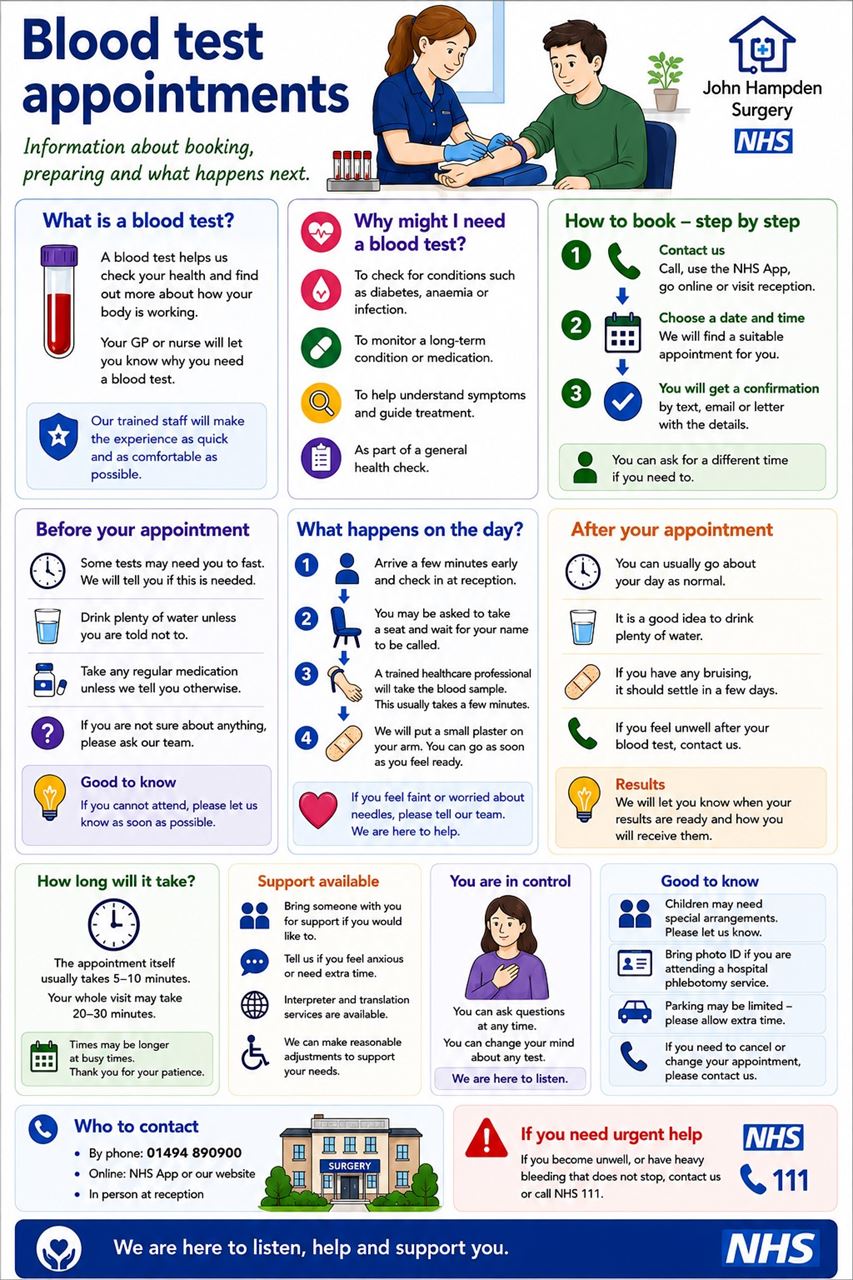
A blood test is when a sample of blood is taken for testing in a laboratory. Blood tests have a wide range of uses and are one of the most common types of medical test. For example, a blood test can be used to:

  • assess your general state of health
  • confirm the presence of a bacterial or viral infection
  • see how well certain organs, such as the liver and kidneys, are functioning

A blood test usually involves the phlebotomist taking a blood sample from a blood vessel in your arm and the usual place for a sample is the inside of the elbow or wrist, where the veins are relatively close to the surface. Blood samples from children are most commonly taken from the back of the hand. The childs hand will be anaesthetised (numbed) with a special cream before the sample is taken.

You can find out more about blood tests, their purpose and the way they are performed on the NHS Choices website.

Understanding Bloods Tests

X-Rays

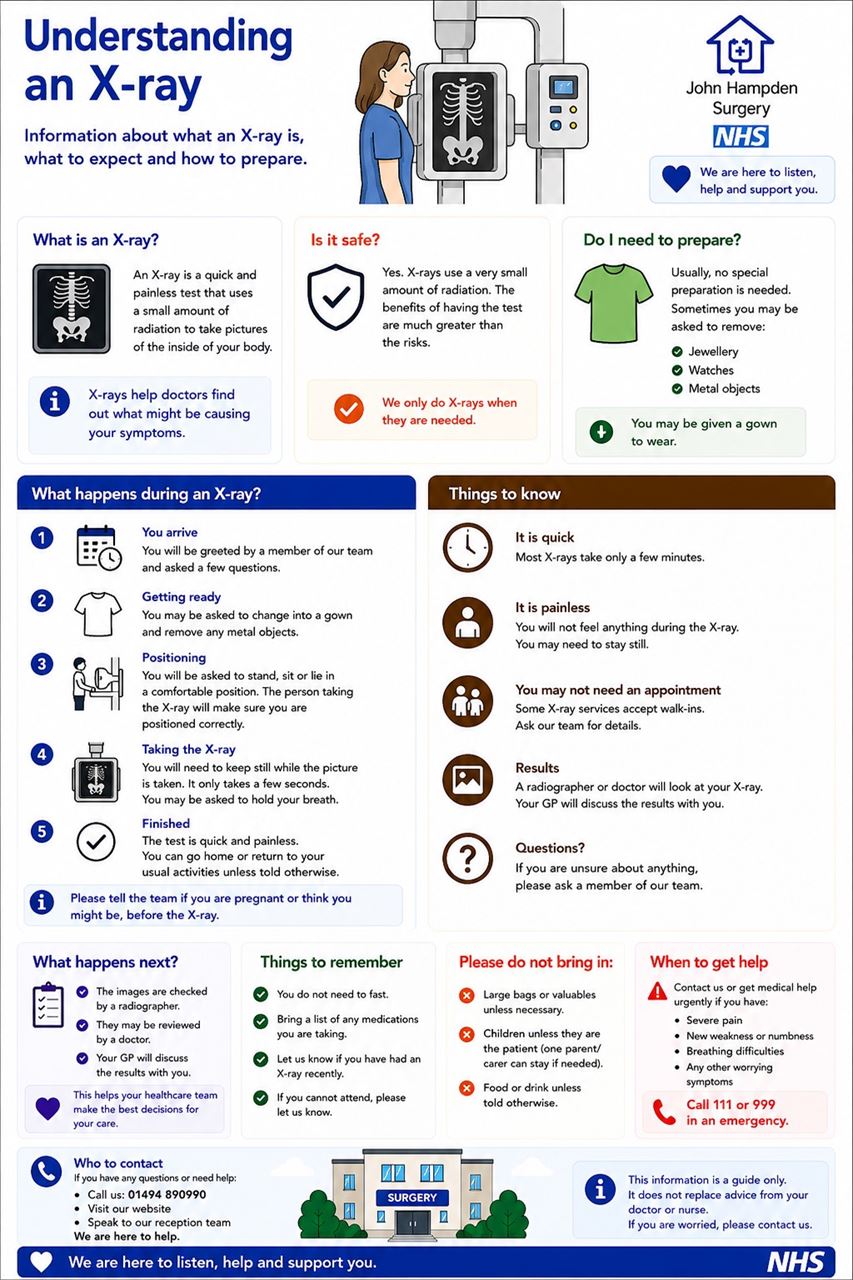
An X-ray is a widely used diagnostic test to examine the inside of the body. X-rays are a very effective way of detecting problems with bones, such as fractures. They can also often identify problems with soft tissue, such as pneumonia or breast cancer.

If you have an X-ray, you will be asked to lie on a table or stand against a surface so that the part of your body being X-rayed is between the X-ray tube and the photographic plate.

An X-ray is usually carried out by a radiographer, a healthcare professional who specialises in using imaging technology, such as X-rays and ultrasound scanners.

You can find out more about x-ray tests, how they are performed, their function and the risks by visiting the NHS Choices website.

Understanding Xrays

Urine and Poo Samples


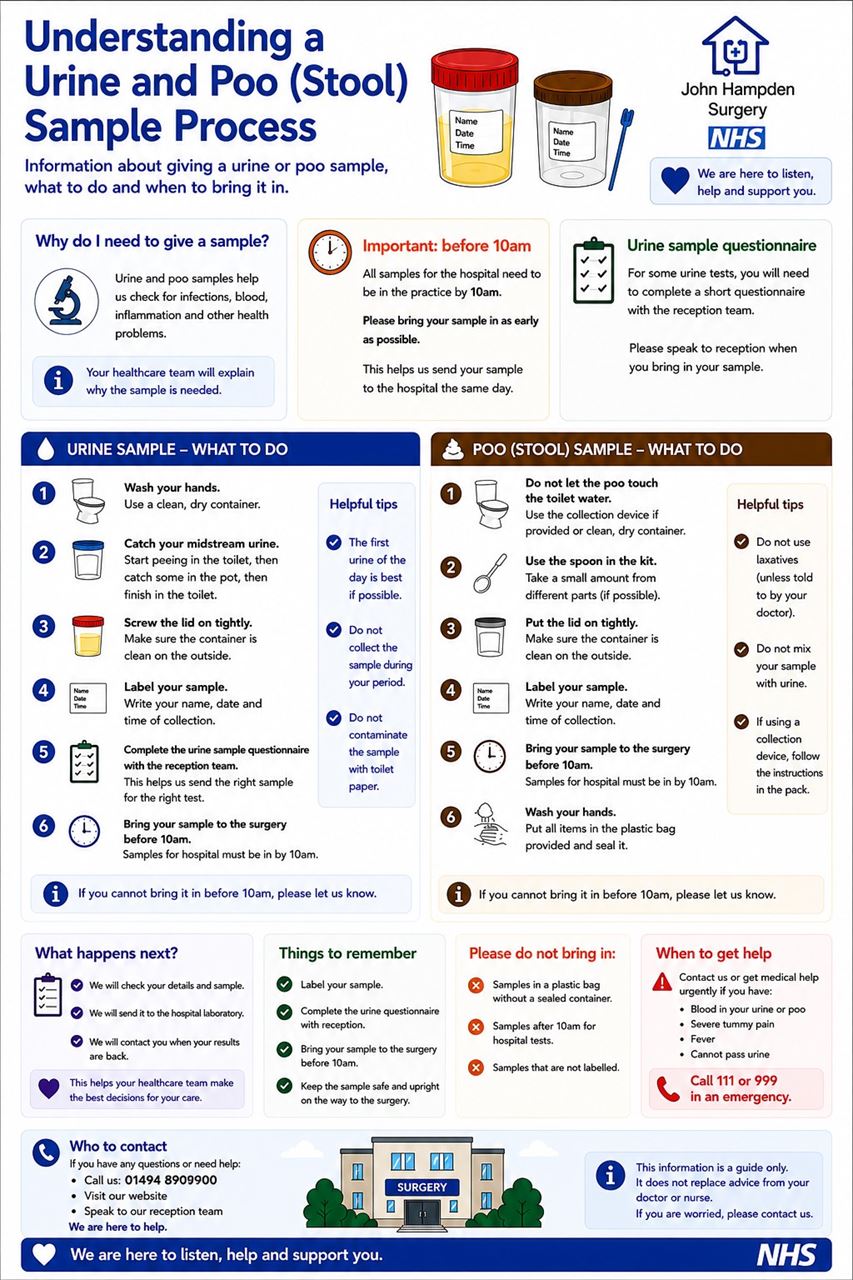
Urine and poo (stool) samples are commonly used diagnostic tests that help healthcare professionals check for infections, inflammation, blood and other health conditions. These samples can provide important information about how your body is functioning and help guide the right treatment for you.

If you are asked to provide a urine sample, you will usually be given a clean container and asked to collect a midstream sample. For a poo (stool) sample, you may be given a collection kit and asked to place a small amount of stool into the container provided.

Your sample should be clearly labelled with your name, date of birth, and the time it was collected. Samples for hospital testing should usually be brought to the surgery before 10am so they can be sent to the laboratory the same day.

Urine and stool samples are handled by trained healthcare professionals and tested in a laboratory to help identify possible causes of symptoms such as pain, infection, diarrhoea, tummy problems or changes in your urine.

You can find out more about urine and stool sample tests, how they are collected, their purpose and when they are needed by visiting the NHS website.

Understanding Urine and Poo Samples
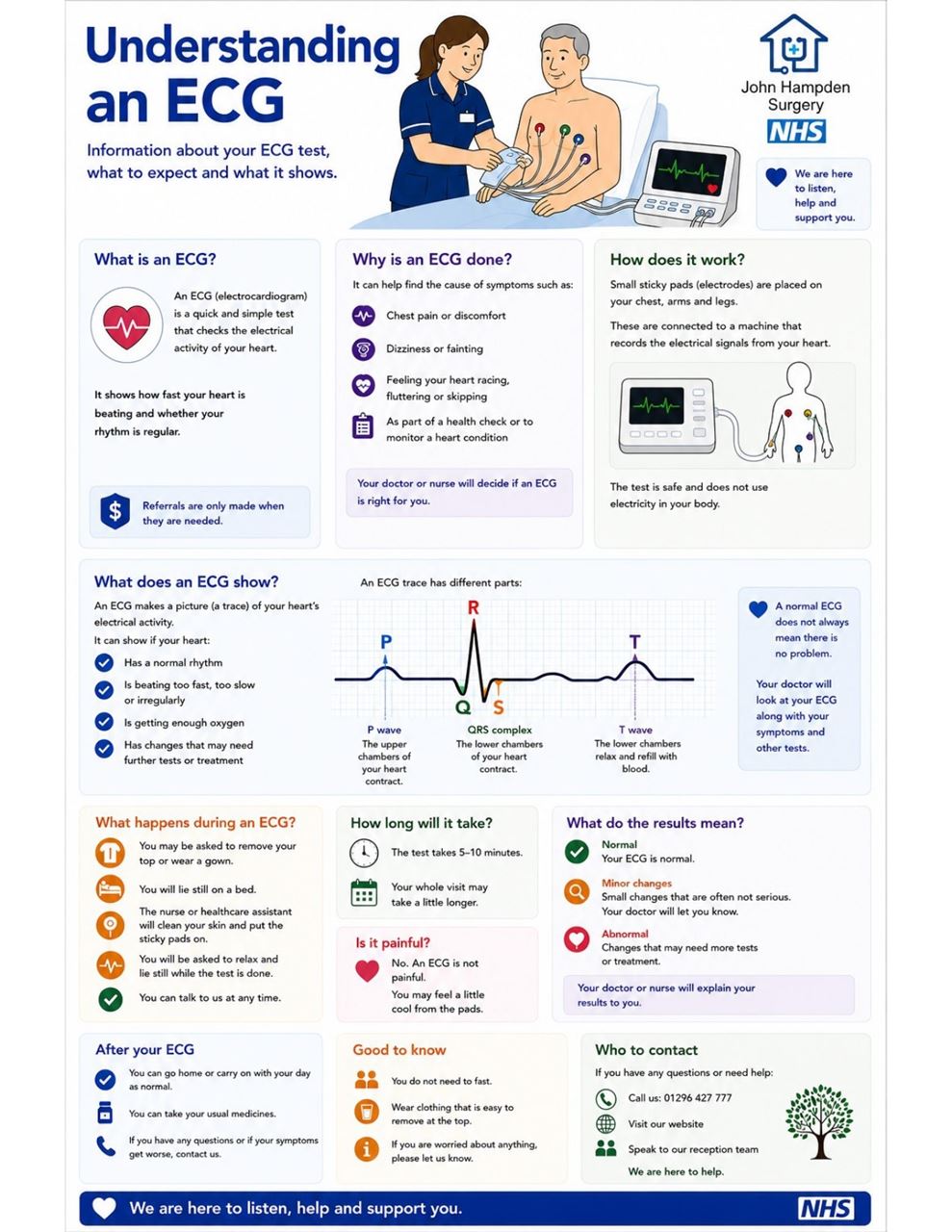
Understanding ECGs

ECG - Electocardiogram

An ECG (electrocardiogram) is a common test used to check the rhythm and electrical activity of your heart. It can help detect heart conditions such as irregular heartbeats, signs of a previous heart attack or other problems affecting how the heart is working.

If you are having an ECG, small sticky sensors called electrodes will be placed on your chest, arms and legs. These are connected to a machine that records the electrical signals produced by your heart. During the test, you will usually be asked to lie still and relax while the recording is taken.

An ECG is usually carried out by a trained healthcare professional, such as a nurse, healthcare assistant or cardiac technician who specialises in heart monitoring tests.

The test is quick, painless and safe. An ECG usually takes only a few minutes and does not use radiation. Your healthcare team will review the results and discuss them with you if any further tests or treatment are needed.

You can find out more about ECG tests, how they are performed, what the results mean and when they may be needed by visiting the NHS website.


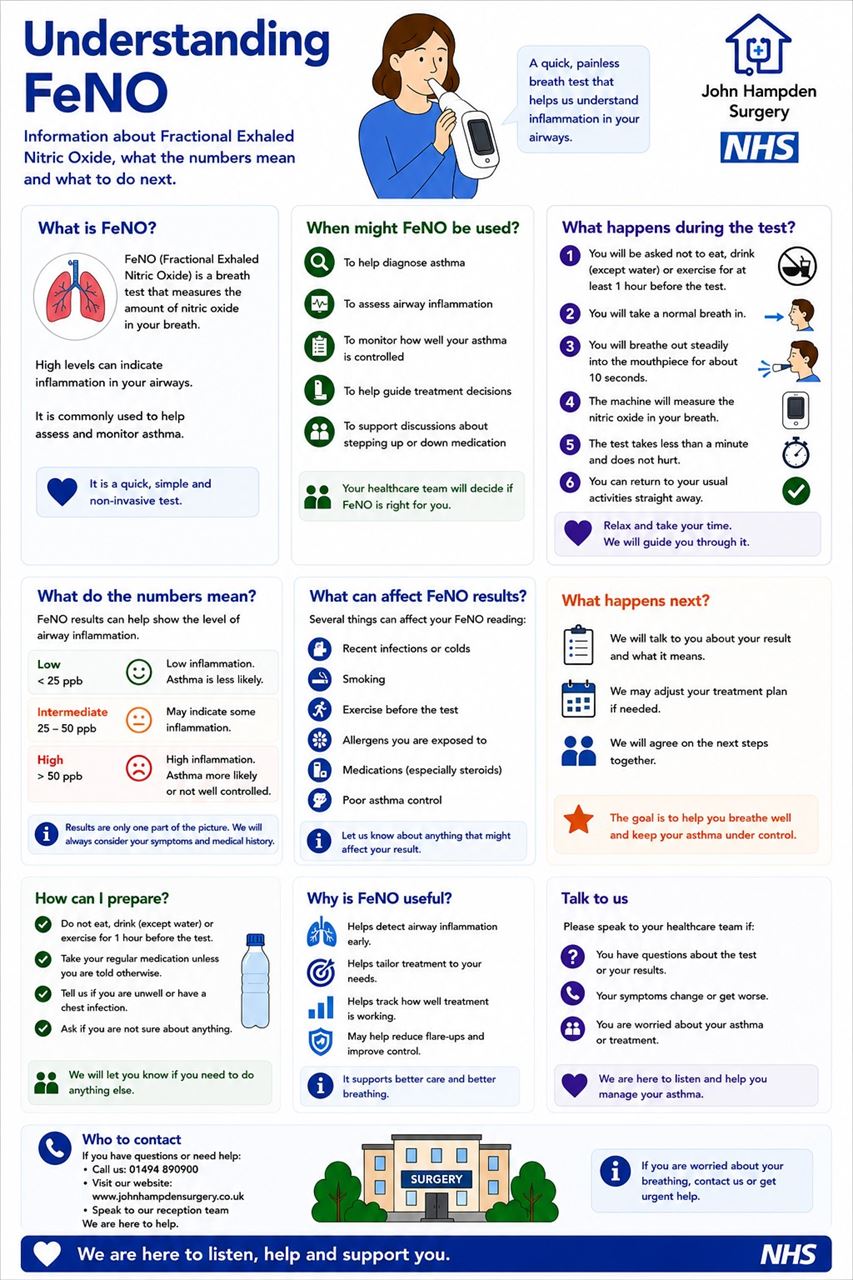
Understanding FENO

FeNo - Breathe Test

A FeNO (Fractional exhaled Nitric Oxide) test is a simple breathing test used to help diagnose and monitor asthma. The test measures the amount of nitric oxide gas in your breath, which can show if there is inflammation in your airways. High levels may suggest that your airways are inflamed and that asthma treatment may be needed or adjusted.

If you are having a FeNO test, you will be asked to breathe in deeply and then slowly blow into a handheld device for several seconds. The test is quick, painless and does not involve needles or radiation. You may be asked to avoid eating, drinking or strenuous exercise for a short time before the test.

A FeNO test is usually carried out by a trained healthcare professional, such as a nurse, healthcare assistant or respiratory specialist who has experience using breathing test equipment.

The results of your FeNO test can help your healthcare team decide whether asthma medicines, such as inhalers containing steroids, may help reduce inflammation and improve your symptoms.

You can find out more about FeNO tests, how they are performed, what the results mean and how they help manage asthma by visiting the NHS website.


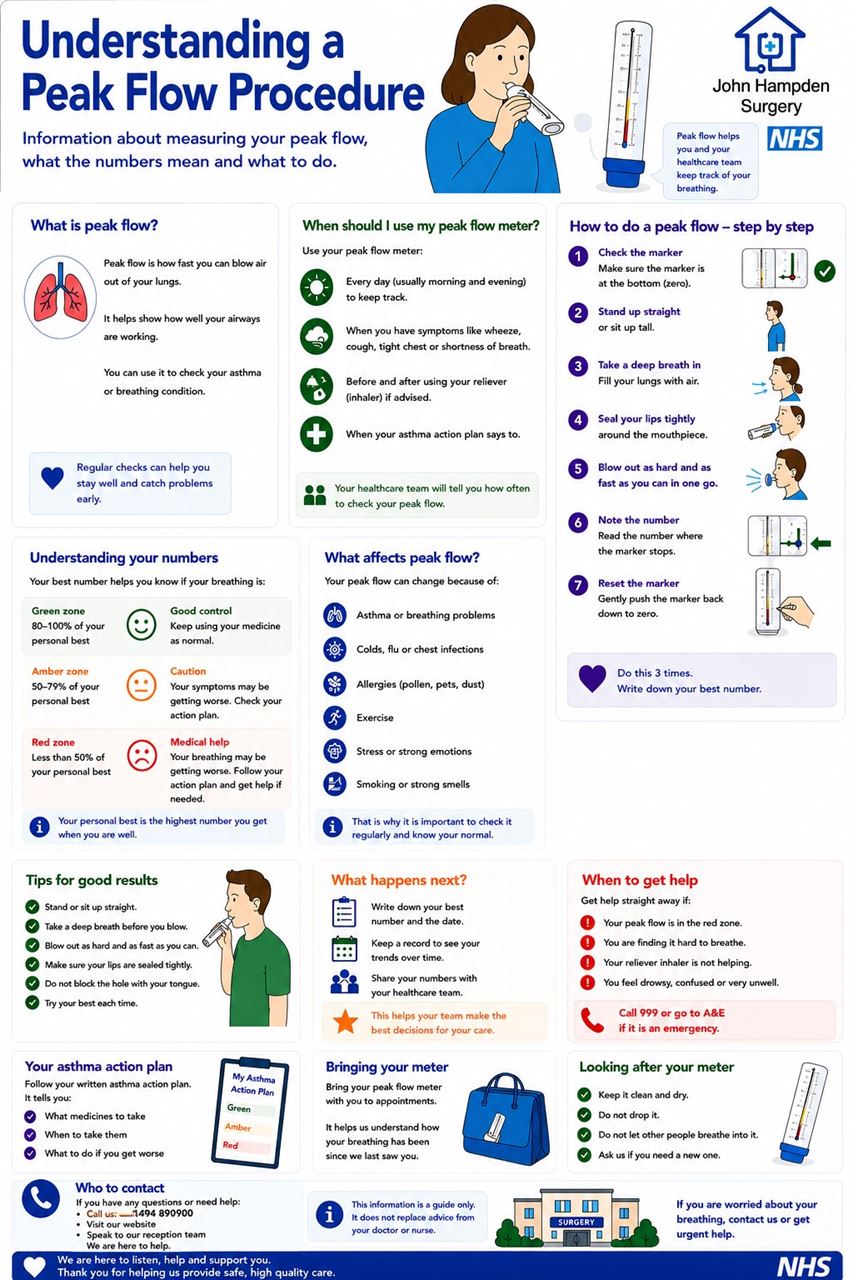
Understanding Peak Flow

Peak Flow

A peak flow test is a simple breathing test used to measure how quickly you can blow air out of your lungs. It is commonly used to help diagnose and monitor asthma and other lung conditions by checking how well your airways are working.

If you are having a peak flow test, you will be asked to take a deep breath and blow as hard and as fast as you can into a small handheld device called a peak flow meter. The test is usually repeated several times to get the best reading.

A peak flow test is usually carried out by a trained healthcare professional, such as a nurse, healthcare assistant or respiratory specialist. You may also be shown how to use a peak flow meter at home to help monitor your symptoms over time.

The test is quick, painless and safe. Your peak flow reading can help your healthcare team understand how well your lungs are working and whether your asthma or breathing condition is under control.

You can find out more about peak flow tests, how they are performed, what the results mean and how they help manage asthma by visiting the NHS website.
Screening Programme Tests

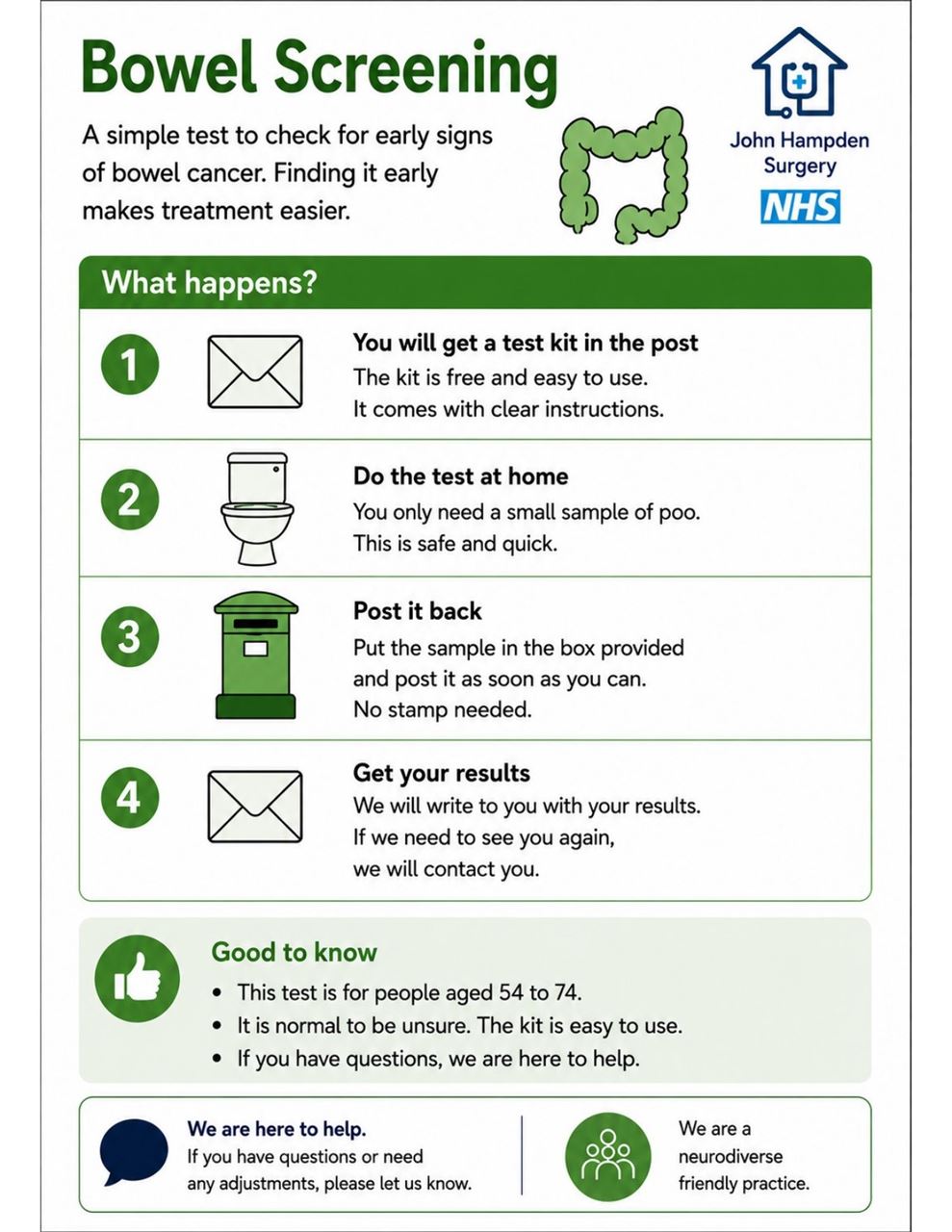
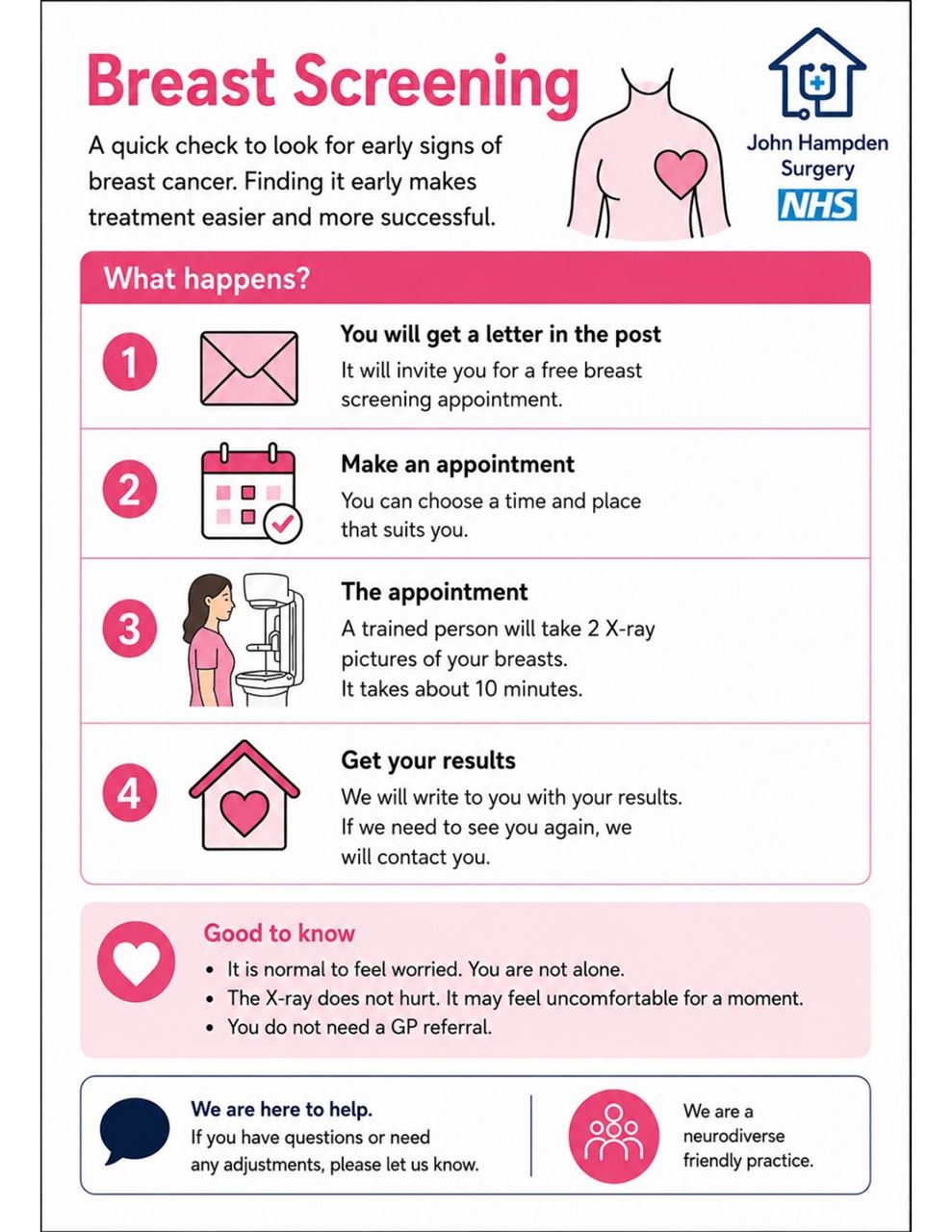
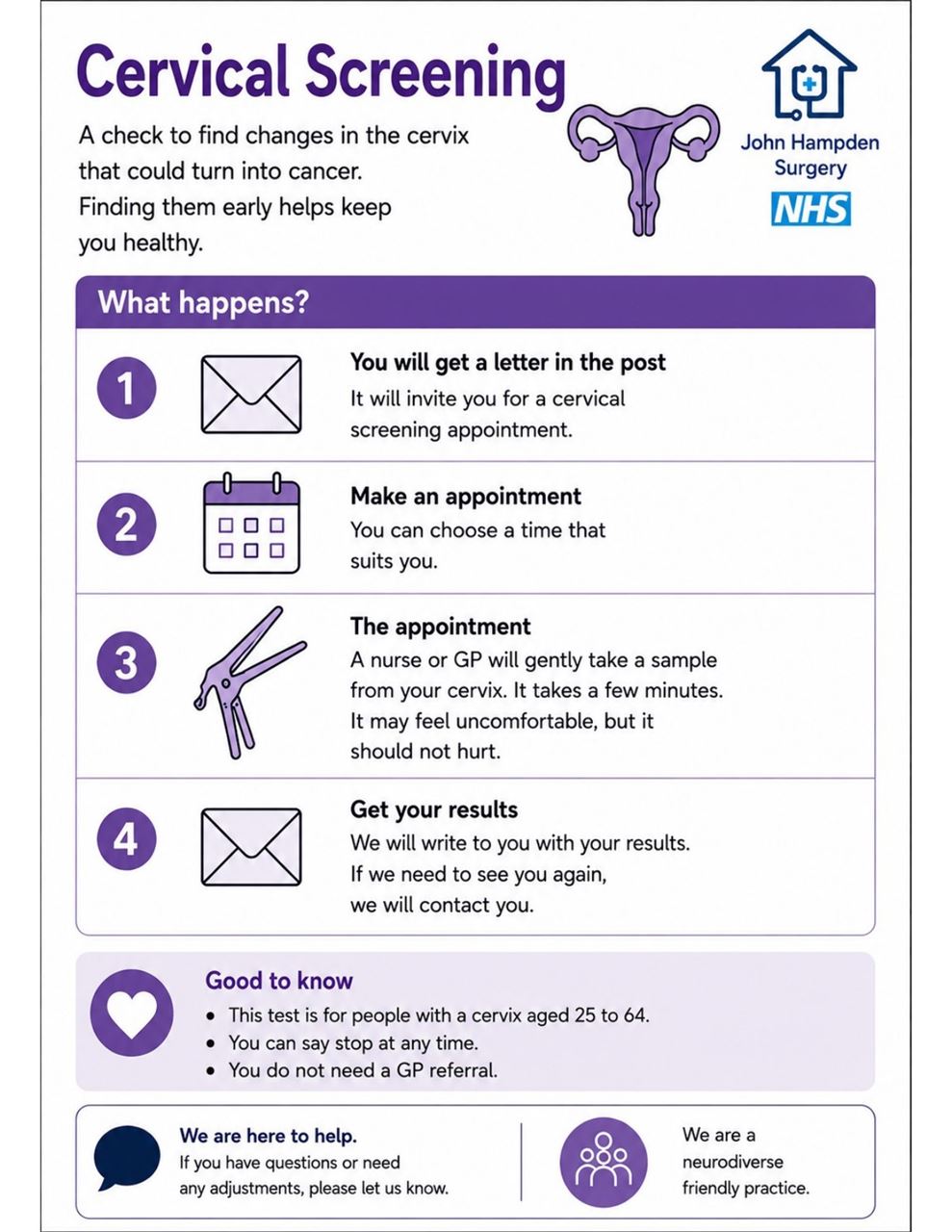
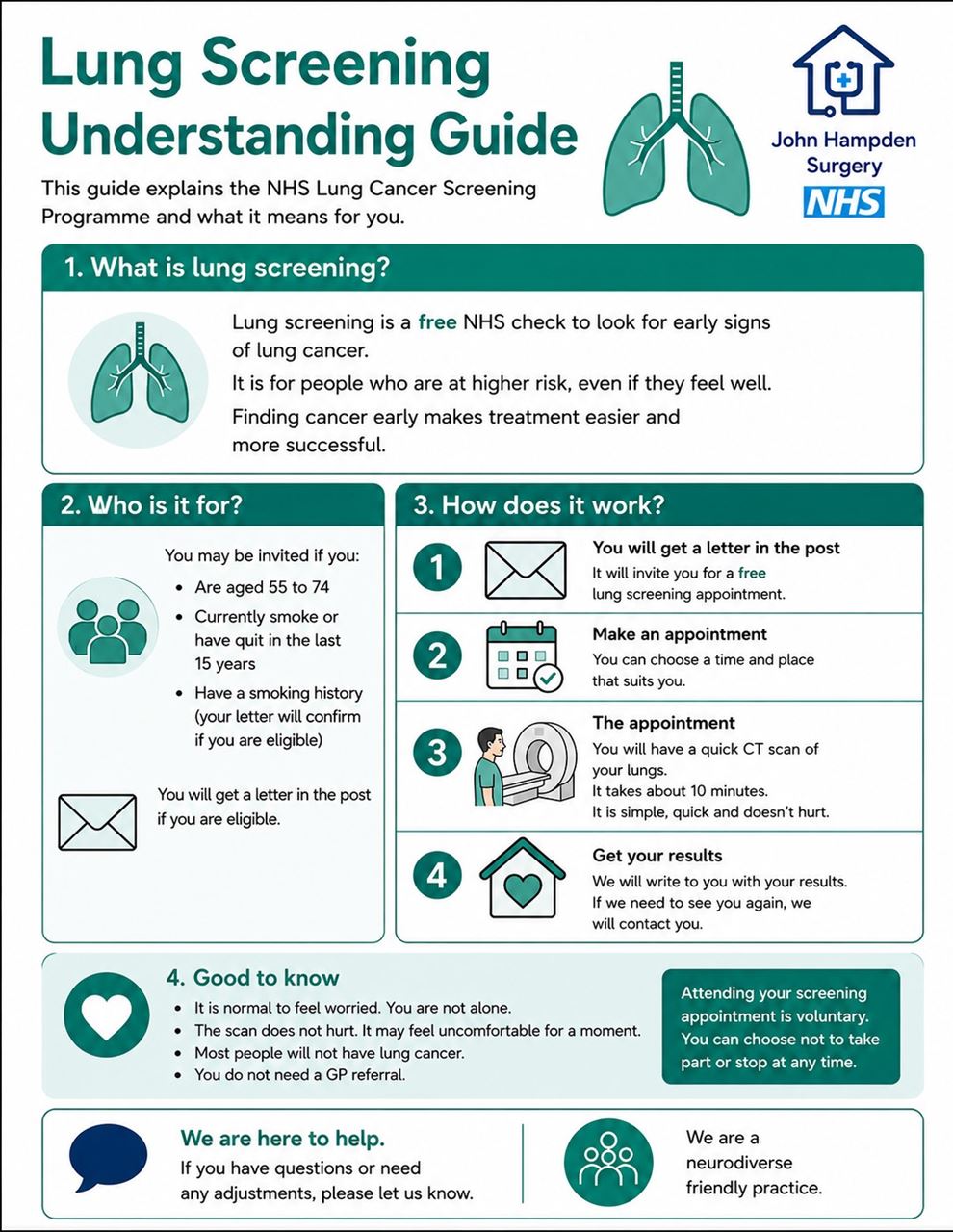
National screening programmes are offered by the NHS to help detect certain conditions early, often before symptoms develop. Breast screening uses mammograms to look for early signs of breast cancer, cervical screening checks for HPV and abnormal cell changes that could lead to cervical cancer, and bowel screening looks for hidden blood in stool samples which may be a sign of bowel cancer. Screening helps identify problems at an early stage, when treatment is often more effective. Eligible patients are invited automatically by the NHS at certain ages and intervals


Easy Bowel
EASY Breast
EASY Cervical
Page last reviewed: 19 May 2026
Page created: 26 October 2022